Hardscaping Basics: From Ideas & Materials to Construction

Posted by on Monday, March 17th, 2025 at 8:58am.

What Homeowners Need to Know About Hardscaping

When homeowners embark on hardscaping projects, they're not just altering their outdoor living areas but investing in their property's future value and utility. However, the path from idea to completion isn't always straightforward. Homeowners must consider both the aesthetic appeal and the practical implications, from the initial cost to the ongoing maintenance. What are the hidden challenges and rewards of hardscaping? Let’s find out.

5 Tips For Hardscaping

  • Hardscaping enhances property value and outdoor functionality with features like patios and retaining walls.
  • Installation costs vary widely, generally between $2,000 to $10,000, depending on materials and design.
  • Concrete, natural stone, pavers, and brick are common material choices, offering different aesthetics and maintenance needs.
  • Proper planning involves defining scope, budgeting accurately, and choosing materials suited to the climate and landscape.
  • Consider hiring professionals for complex projects to ensure safety, compliance with local regulations, and long-term durability.

What is Hardscaping?

Hardscaping encompasses the non-living, structural elements of landscaping, such as patios and retaining walls.

While it boosts property appeal and provides functional outdoor spaces, it also has challenges like higher costs and maintenance needs.

Pros of Hardscaping

Studies show that 84% of home buyers prioritize features like outdoor patios, making hardscape elements a wise investment for homeowners looking to increase their property's market appeal.

Furthermore, hardscaping extends the living space to the outdoors, creating seamless transitions between indoor and outdoor environments. This expansion isn't just about adding square footage; it's about crafting functional areas for relaxation and social gatherings. These spaces are particularly valuable for lake house backyards, where residents and visitors want to enjoy the views.

These well-defined spaces encourage homeowners and their guests to spend more time outside, enjoying dining, entertaining, or simply relaxing in a thoughtfully designed setting.

Hardscaping also offers durability with stone, concrete, and brick designed to withstand the elements. This robustness translates into lower maintenance needs than traditional gardens, saving homeowners time and effort in upkeep.

Cons of Hardscaping

Despite its many benefits, hardscaping has several drawbacks that homeowners should consider before committing to such projects. The costs associated with hardscaping can be substantial, especially when opting for high-end materials or complex designs.

For example, installing a basic patio might cost between $25 and $50 per square foot. These expenses may deter some homeowners from pursuing their hardscaping plans.

Maintenance is another consideration. Although generally less demanding than softscaping, hardscaping still requires upkeep to maintain its appearance and functionality. Homeowners must regularly clean pavers to prevent weed growth and seal concrete surfaces every few years to protect them from the elements.

Furthermore, the design of hardscape features must be carefully planned. Poorly executed designs can lead to drainage issues, causing erosion or flooding.

Additionally, hardscaping is challenging to alter once installed without incurring high costs and significant effort. This permanence means that any mistakes in the initial design or choice of materials can be costly and challenging to correct.

Hardscaping Ideas

Exploring hardscaping ideas can transform a homeowner's outdoor space into a functional and appealing retreat.

Stone Pathways

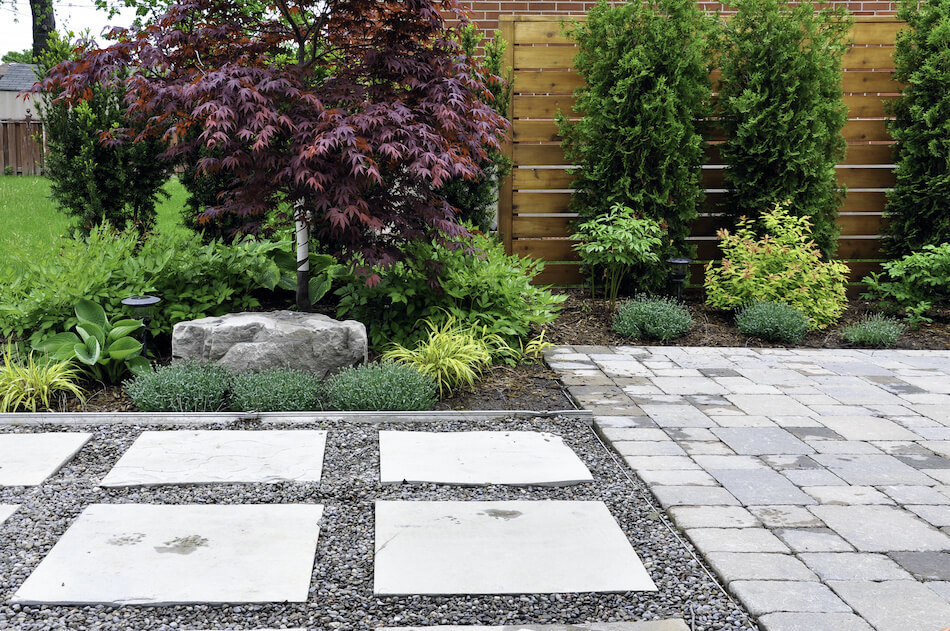
Stone pathways enhance the aesthetic and functional aspects of gardens and outdoor spaces. Incorporating them into hardscape projects boosts curb appeal and integrates a natural look that complements the vibrant soft scapes around them. Available in various materials, such as flagstone, slate, and cobblestone, these pathways can be tailored to match any garden theme, enhancing the overall landscape design.

Stone pathways are also practical solutions that improve drainage and decrease erosion in outdoor areas. This ensures they remain functional and appealing for years. Homeowners find these pathways indispensable for defining space and guiding movement through their gardens and yards, effectively creating a flow that encourages exploration and enjoyment of the outdoor environment.

Regular maintenance is crucial. Keeping these pathways clean and free of weeds ensures longevity and preserves beauty. This upkeep and the stone's durability make it a cost-effective choice for those looking to enhance their property value.

Fire Pit

Fire Pits Are Popular For Gathering

A fire pit, whether fueled by wood or gas, is a popular feature in modern hardscaping designs. Homeowners can choose from stone, brick, or metal materials to tailor the fire pit to their style and needs.

Smaller fire pits are great for cozy gatherings, while larger ones are suitable for more extensive social events. Incorporating seating walls around the fire pit adds comfort and encourages interaction, transforming your outdoor space into a communal hub. 

The addition of a fire pit not only provides warmth and a charming ambiance but also can increase your property's value. Prospective buyers often see outdoor fire features as a desirable asset.

However, safety is paramount. Ensuring ample clear space around the fire pit and proper ventilation helps prevent potential hazards.

A well-installed fire pit becomes the heart of outdoor gatherings, blending seamlessly with other hardscape elements to create a versatile and inviting outdoor living area.

Deck/Patio

Decks and patios are perfect additions for homeowners looking to extend their living areas to the outdoors. A well-designed deck or patio boosts a home's value and turns the yard into a cozy retreat for relaxation and social gatherings.

When selecting materials, homeowners have versatile options like:

  • Pavers, which offer durability and design flexibility. Unlike concrete, pavers can be easily replaced if damaged, making maintenance simpler and more cost-effective.
  • Wood provides a classic look for those considering a deck but requires regular sealing to prevent decay.
  • Composite materials present a lower-maintenance solution, retaining the aesthetic appeal without frequent upkeep.

Designing a patio should include planning its size and layout, ensuring enough room for furniture and movement.

A minimum dimension of 12x12 feet is recommended to host dining setups comfortably.

Gazebo/Pergola

Gazebos and pergolas are delightful extensions of a home's living space. They offer shelter and shade while enhancing outdoor aesthetics. Each can be made of wood, aluminum, or vinyl, seamlessly complementing the existing landscape and architecture.

Gazebos, typically freestanding octagonal structures, are designed to anchor social gatherings or provide a tranquil retreat. They are often equipped with built-in seating. 

Pergolas, with their open-lattice roofs, offer a more flexible design. They can also serve as stylish covers for walkways or patios, integrating effortlessly into garden designs. Integrating lighting elements and climbing plants such as ivy or roses increases a pergola's functionality and enhances its charm, creating an inviting ambiance.

Cost-wise, homeowners should budget between $2,000 and $10,000, depending on the chosen structure's complexity and materials. However, the long-term benefits of added enjoyment and improved curb appeal make it a worthwhile expenditure.

Steps For a Hardscaping Project

Embarking on a backyard renovation starts with an important decision: tackling the job yourself or hiring a professional.

Regardless, homeowners must plan carefully, setting a realistic budget covering all necessary materials and labour.

Choosing the right materials is essential for the project's aesthetics and longevity, while construction requires meticulous attention to detail to ensure everything meets local regulations and personal expectations.

Determine if You Should DIY or Hire a Pro

When deciding whether to undertake a hardscaping project as a DIY venture or to hire a professional, homeowners must carefully evaluate their own skills and the complexity of the project. 

If the project involves complex features like retaining walls, assess whether personal skills align with the project demands. Constructing retaining walls can be risky without proper experience. They require precise techniques to ensure safety and effectiveness.

Moreover, homeowners should calculate their budget early in the planning phase. While DIY might seem less expensive, it's important to consider the costs associated with purchasing tools and materials. Sometimes, these can add up, making the DIY route as costly as hiring a professional.

Hiring a professional can provide peace of mind if the hardscape project is large or complex, ensuring that the project complies with local regulations and is executed accurately. Professionals bring expertise that significantly reduces the risk of costly mistakes and future maintenance issues. 

Plan and Budget

Make Sure to Plan and Budget Your Project Before Starting

To initiate a hardscaping project successfully, homeowners must first define its scope, including patios, walkways, and retaining walls. This initial step is crucial as it directly influences the overall design, functionality, and cost.

Once the scope is clear, homeowners need to establish a realistic budget. Considering the wide range of prices for materials and labour, a detailed financial plan helps prevent unexpected expenses and ensures the project stays on track.

Creating a budget involves more than accounting for current costs. Homeowners should also consider future maintenance and potential adjustments to the project. Therefore, it is wise to set aside a contingency fund.

And just like when choosing a home builder, researching and selecting the right hardscaping service provider is essential. Homeowners must assess the contractor's experience, check client reviews, and view previous project portfolios to ensure quality execution.

Choosing the right professional can significantly enhance the function and beauty of outdoor spaces.

Choose the Best Materials

Selecting the right materials is a critical step in any hardscaping project. It directly impacts the aesthetics and longevity of the outdoor space. When choosing the best materials, homeowners must consider durability, cost, and visual appeal.

Concrete, for instance, costs between $6 and $10 per square foot and is highly versatile, but it may fade or crack over time. On the other hand, natural stone offers a rustic and durable option. It costs around $15 to $30 per square foot, making it a pricier yet visually striking choice.

With their wide range of colours and patterns, pavers provide a compromise, allowing for unique design flexibility. They're easier to install than other materials but might need regular maintenance to keep weeds at bay.

Brick, known for its classic look and durability, complements many home styles but can be labour-intensive and costly to install.

When deciding, homeowners should consider the specific needs of their project. Factors like the intended use of the space, local climate, and maintenance should guide their choices, ensuring that the materials meet aesthetic desires and stand the test of time.

Construction

After choosing the right materials for a hardscaping project, the next step is construction. This phase starts with thorough site preparation. Homeowners must clear the area of debris and level the ground. It's vital to install a solid base layer to ensure the durability and stability of the hardscape elements.

A well-thought-out design plan is essential. It outlines the layout, materials, and budget, guiding the construction process to align with the homeowner's vision. Before breaking ground, obtaining the necessary permits and checking local zoning regulations is crucial to avoid legal complications and ensure compliance.

Employing proper construction techniques is key. For example, ensuring adequate drainage for patios and walkways can prevent water accumulation and subsequent damage.

Throughout the project, it's important to regularly check that the work adheres to the initial design plan and stays within budget. This continual evaluation helps maintain alignment with homeowner expectations and achieve a cohesive outdoor space that's both functional and aesthetically pleasing.

Get Ready for Your Hardscaping Project

Hardscaping can significantly boost a home's value and functionality but requires careful planning and budgeting. Homeowners should weigh the pros and cons, from enhanced aesthetics to ongoing maintenance. Deciding between DIY and professional help is crucial, as is selecting durable materials. By thoroughly planning and choosing wisely, homeowners can avoid costly errors, ensuring their outdoor space looks appealing and stands the test of time.

Leave a Comment