

 Buying a vacation home or an investment property is different than the traditional homebuying process. Buyers who already have a primary residence may be surprised by some of the ways that mortgages, taxes, and interest rates vary between these two types of properties. Whether you're eyeing waterfront homes or a ski cabin, a vacation homes can be great investments. Keep reading to find out what you need to know before buying.
Down Payment Differences
There are several down payment assistance programs that support first-time buyers, but the same programs rarely apply to second homes. For a vacation home, the buyer must put down at least 5 per cent down payment in order to secure a mortgage. Some lenders may require buyers to put down more.
… Home inspections can be a frustrating part of the home buying process, especially when the report comes back with issues. A bad inspection may seem like a deal-breaker for buyers, but you don't have to give up that dream property. The key is to understand what a home inspection is and to know what to do if the inspection report comes back with serious issues. Keep reading to learn home inspection basics and how to handle latent issues.
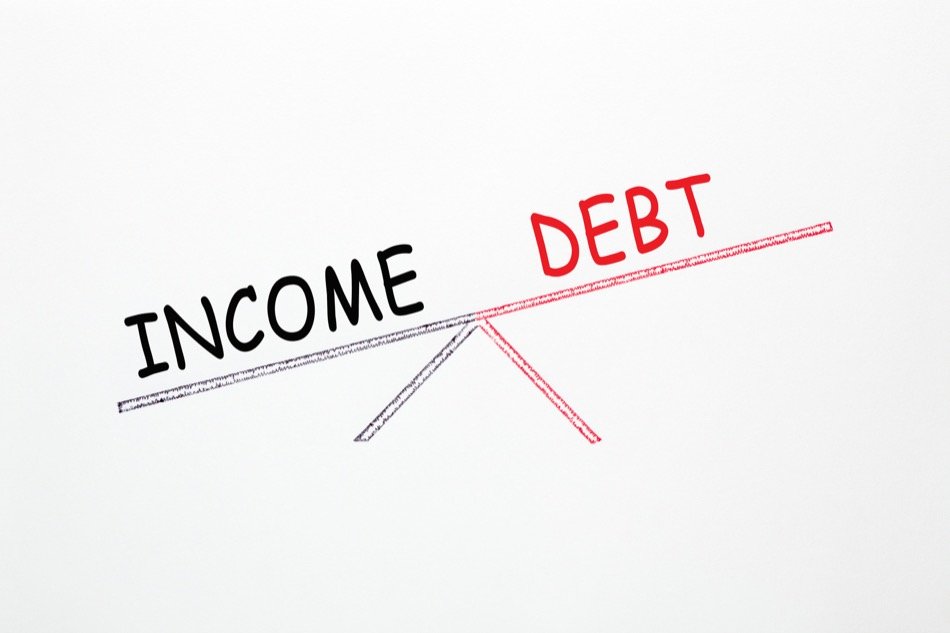 Some people might check their credit score and assume they're ready to buy a home. After all, there are plenty of mortgage loan options to make homeownership more accessible even with subprime credit. But credit scores aside, the amount of current debt one has can make it harder to qualify for a conventional or other type of mortgage loan.


 These days, there are many different options for homeowners who want to make their home more environmentally friendly. Between smart thermostats and solar panels and dual-pane windows, there's an option fit for just about every lifestyle. However, green updates don't have to be smart or even involve technology to help the environment. Even choosing certain types of flooring can help make a home green. Keep reading to learn about eco-friendly flooring options that make your home more energy efficient.
 Contingencies are a way for people buying a home soon to learn more about the house and its seller between the time they make an offer to the time the property is officially transferred. These conditions range from financial considerations to home inspections to inclusions of popular home improvements. The demands buyers can make depend heavily on the market, the popularity of a neighbourhood, and the seller's expectations, but there are a few standards that everyone should know. Keep reading to learn about the most common homebuying contingencies.
 Over the past few years, technology has advanced very far, and that change shows itself clearly when it comes to selling a home. Listings used to only have a few photos, but as time went on, photos became more and more important. Then video walkthroughs of homes became popular to show buyers the home’s layout.
 Maintaining a safe household is essential to a high quality of life. But what's involved in maintaining a safe household? Performing proper maintenance, conducting regular inspections, and purchasing household products and fixtures enhance safety are all ways to create a more secure household. Keep reading to find the seven best tips for improving household safety.
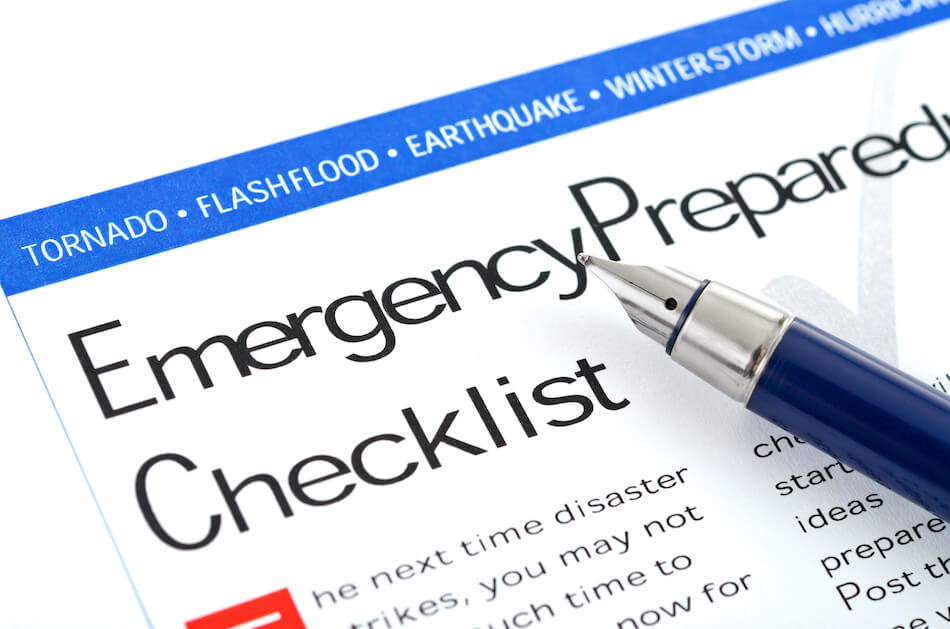 No one wants to find themselves in an emergency situation, but they're an unfortunate reality. There's no way to know when one would strike, so it's important to prepare your home as much as possible. Taking small, preventative steps on a regular basis will limit the potential for damage in the event of severe weather. Ultimately, taking small steps against home safety hazards will protect your peace of mind. Keep reading to learn how to prepare your home for emergency situations.