

Moving to Kelowna: Kelowna, BC Relocation & Homebuyer Guide
Posted by Dave Kotler on Wednesday, October 7th, 2020 at 9:51am.

One of the fastest-growing cities in Canada, Kelowna is known for some of the best wineries in the country. In the summer, Kelowna takes on the feel of a resort town, as residents and visitors alike enjoy all the activities and amenities the city has to offer.
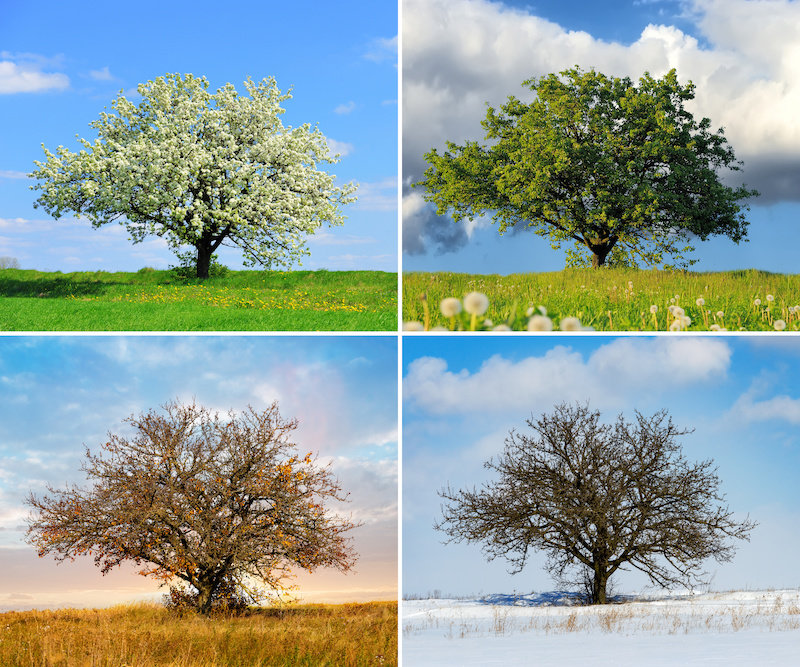
Nestled in the Okanagan Valley, Kelowna enjoys four distinct seasons, yet does not endure the extreme cold or humidity found in other parts of Canada. It is one of the warmest cities in the country, thanks to its valley location and the lakes that help moderate winter's coldest temperatures.
Kelowna offers plenty of arts, culture and nightlife, with downtown serving as the hub. Outdoor enthusiasts enjoy activities year-round, including skiing, hiking, and cycling, as well as fishing and lakefront homes with water recreation options on Okanagan Lake. Considering moving to Kelowna? Here is everything you should consider before making the decision.
Table of Contents
Cost of Living in Kelowna
Housing costs across British Columbia are known for being higher than average, and it's the same for Kelowna. While residents enjoy a cost of living 40% lower than Vancouver, the savings are primarily tied to lower commute costs.
The median home price is around $650,000, although it's not uncommon for houses to sell for over $1 million. Home prices in Kelowna are strong across the market, with one-bedroom condos fetching upwards of $350,000.
Renters will pay about $1,100 for a one-bedroom apartment, and that often includes utilities. Single-family homes rent for about $1,500 and up but are not likely to include utilities.
Residents who use their own vehicles to get around can expect to pay about $1.14 per litre for gas. Public transportation is less expensive, at about $70 a month. A taxi will cost $3.50 for the first 44 metres, then 10 cents per 44 metres thereafter.
Residents fulfilling a grocery list of a gallon of milk, a dozen eggs, a pound of chicken fillets, a pound of potatoes, a pound of rice, a head of lettuce, and a loaf of bread can expect to pay just slightly over $25.
More information about cost of living in Kelowna:
- Cost of Living in Kelowna, British Columbia - PayScale.com
- Cost of Living Calculator Kelowna, State - CostofLiving.WorkBC.ca
- Kelowna, British Columbia Cost Of Living - AreaVibes.com
Kelowna Job Market
The majority of the Kelowna workforce is employed in sales and service occupations, followed by jobs in trades, transport and equipment operation. Kelowna's largest employer is Kelowna Flightcraft Group of Companies, a global leader in aircraft maintenance and engineering. The company employs about 600 employees.
On its heels, with about 500 employees, is BC Tree Fruit Cooperative. The co-op has three packing facilities and six receiving facilities. The cooperative is owned by over 400 local growers. BC Tree Fruit Cooperative also owns and operates its own fruit cider company and a grower's supply company, as well as a fresh produce market.
Rounding out the top three employers for the region is SunRype, a beverage and snack company tracing its roots back to 1946. The company employs about 400 people, and its products are distributed across Canada and the U.S.
Other prominent employers in the area include Alpine Aerotech, an infrastructure and transport firm employing 92 people; Anodyne Electronics Manufacturing Corporation, another infrastructure and transport company employing 88 people; Reidco Metal Industries Ltd., a manufacturer employing 85 people; Campion Marine Inc., an infrastructure and transport company employing 60 people; and Northside Industries, a manufacturing company with 52 employees.
Popular Industries in Kelowna
A prominent employer in the Okanagan Valley, Kelowna enjoys a diverse economy. Major industry sectors include agriculture, tourism, retail, manufacturing, forestry, and construction. Tourism is growing and topped the $1 billion-a-year mark in 2016.
The economy is bolstered by several key growth industries. These include film, viticulture and wine production, information technology, tourism, aviation, and health care. The city encourages business start-ups and expansions.
Businesses are drawn to the area for some of the same reasons that attract new residents—favourable climate, strong transportation networks, natural scenic beauty, and a trained, available workforce.
More information about finding a job in Kelowna:
- Top Workplaces in Kelowna - CanadasTop100.com
- Kelowna Best Workplaces - GlassDoor.com
- Search for Jobs in Kelowna - Indeed.com
Things to Do in Kelowna
 Kelowna is home to 30 beaches and parks, 19 golf courses, and seemingly endless kilometres of recreational trails. It also offers a wide assortment of coffee shops, restaurants, breweries and pubs, so there are plenty of things to do in Kelowna.
The area's thriving wine industry is popular with tourists and residents alike. With over 40 wineries, the Okanagan Valley is British Columbia's leading grape-growing region. From boutique vineyards to world-class wineries, guests enjoy a taste of wine and a glimpse into the unique traditions of the industry.
There are many orchards and organic farms as well, which has made farm-to-table agritourism a popular activity.
Outdoor Activities in Kelowna
Kelowna's valley setting on the shores of Okanagan Lake makes for an abundance of outdoor activities. Hikers can explore diverse terrain through numerous trails of varying difficulty, including Know Mountain, Carrot Mountain, and Hardy Falls.
For cycling enthusiasts, Kelowna has one of the most extensive bicycle networks in Canada for a community its size.
Myra Canyon is one of the valley's most popular parks. Cyclists and walkers can enjoy an extended trek along the railway trestles. Lake Okanagan itself is a 132-kilometre long lake that offers swimming, boating, parasailing, and other recreation.
A number of guided tours are also available, including multi-day trips, picnic outings, and sailing tours.
Restaurant, Breweries, and Bars in Kelowna
Kelowna welcomes foodies and revellers with a robust restaurant, bar and brewery scene. From street-side cafes to lake-side bistros, there's no excuse for going hungry. Among the popular choices is RauDZ Regional Table, a bistro that has a 21-foot table where diners can gather to eat and talk together. However, there are still smaller tables where people can choose to sit if they don't want to take a seat at the big table. 92% of the bistro's food comes from local sources, and they exclusively serve local wines.
Though known for its wineries, Kelowna is also home to a growing microbrew industry. Sit-down tasting rooms host an array of tank-to-tap craft beers from the valley's small-batch microbreweries. In addition, local cideries offer a unique taste of the valley's homegrown beverages, created with juices of locally produced fruit, fermented into thirst-quenching ciders. Scenic Road Cider Co. is one of these cideries, and they brew a variety of different flavours to fit every palette.
Nightlife in Kelowna
Whether you enjoy listening to live music, prefer the dance club scene, or can't resist showing off your skills with some karaoke, you'll find plenty of options with Kelowna's night scene.
There's a place for every interest and inclination, including neighbourhood pubs, sports bars and clubs. Most establishments can be found in Kelowna's downtown and cultural district, where you'll also find shopping, studios, galleries and museums.
Sapphire Nightclub in particular is known for being high-energy and having plenty of space to party. It features multiple bars, VIP service, DJs, and they even host regular events like Glowing Graffiti night, where people are encouraged to wear white T-shirts and draw on them before hitting the dance floor that's lit by UV lights.
Climate in Kelowna
 Kelowna's warm, low-humidity summers and relatively mild winters are coveted by Canadians living elsewhere. Average rainfall totals about 311 millimetres for the year, with snowfall totals of 89 centimetres. The best time to explore the region depends on your preference for activities.
Summer's highs typically range from 24-28 °C, perfect days to enjoy the region's many beaches and parks. It's also prime season for kicking back with a wine tasting or setting sail on Okanagan Lake.
Farm and orchard tours are popular fall activities, but it's also the perfect time for a hike or bicycle ride, with spectacular views of the changing colours. September's high temperatures average about 22 °C but will dip to single digits by November.
Highs in December and January average about 1 °C, with highs warming up a few degrees by the time February rolls around. Snowfalls in December and January are 27 and 32 centimetres, respectively. The fresh powder makes winter a great time for skiing and snowboarding.
Spring warms up with highs averaging 4 °C in March but rising to over 13 °C by May, heralding the start of hiking and biking season.
More information about the climate in Kelowna:
- Kelowna 10-day Weather Forecast - Weather.com
- Average Weather in Kelowna - WeatherSpark.com
- List of Major Weather Events near Kelowna - KelownaNow.com
Traffic in Kelowna
For a city its size, Kelowna appears to have more than the anticipated amount of traffic issues, but most of the problems occur during the height of the morning and evening commutes. In particular, Harvey Avenue, Glenmore Drive, Lakeshore Road, and the William B. Bennett bridge can be troublesome for those commuting to and from the downtown from outlying neighbourhoods.
Despite this, the average commute time for Kelowna drivers—19.8 minutes—is about seven minutes shorter than the average Canadian's commute. Kelowna actually has shorter than average commute times than other metro areas in the province. Commute times for residents of Kelowna are nearly six minutes shorter than the average British Columbia commute of 25.9 minutes.
Most residents commute by private vehicle, with just under 4% using public transit and another 7% commuting by bicycle or other active means.
For those thinking about relocating to the area and wanting to minimize commute time, the key is to search for homes close to the workplace but away from congested areas. Potential new residents should go for a test drive during morning and evening commute times to get an idea of what the commute will be like before making an offer.
Alternative Routes Around Kelowna
Despite Kelowna's commute time being shorter on average than many other cities in British Columbia, some residents might still want to look for ways to cut back on their drive.
Rather than taking the main thoroughfares during commute times, motorists may find it to be quicker to take alternative surface streets that run parallel to more congested routes. For example, Springfield Road or Bernard Avenue might be better options heading to and from downtown.
Richter Street may get cut through traffic quicker than Lakeshore Drive. While there may be more stoplights, less congestion could still reduce the commute time.
More information about traffic in Kelowna:
- Kelowna Commuting Times - KelownaNow.com
- Kelowna Drive Time Map - ViaMichelin.com
- Kelowna Road Construction News - Kelowna.ca
Public Transportation in Kelowna
The main public transit option is the Kelowna Regional Transit System, which operates 28 bus routes throughout the Okanagan Valley. The system provides service to a number of communities in the region, including Kelowna, West Kelowna, Lake Country, Peachland, Westbank First Nation, and the Regional District of Central Okanagan.
The system's 100 buses provide over 190,000 hours of service every year. Over 5 million trips are taken by transit locally on an annual basis. Cost of a Kelowna Regional Transit System pass is about $70 a month.
Another option for getting around town is by taxi. There are about a dozen taxi companies operating in the metro area, as well as several shuttle and tour services. The base rate for a Kelowna taxi is $3.50 for the first 44 metres, charged upon entering the cab. From there, the cost is 10 cents for every additional 44 metres.
The province has approved four rideshare companies: Lucky To Go, Ripe Rides, Safe Ride Sharing Ltd. and Kabu. Prices vary, depending on vehicle and destination. While Uber and Lyft have also been approved to operate in British Columbia, the companies have not announced plans to operate in Kelowna.
Kelowna Schools
 Kelowna is served by the Okanagan Public School District, known as School District #23. The district operates 31 elementary schools eight middle schools, including three French immersion schools, and six high schools or secondary schools. In addition, the district operates Central Programs and Services to offer a public education to students who are homebound or otherwise need an alternative to traditional school.
There are also many types of private and independent schools serving Kelowna and the surrounding area. These schools primarily fall into the category of alternative, special needs, or faith-based schools.
Kelowna is home to a number of higher education institutions and specialized trade and tech schools, with most campuses located in or near downtown. These include the University of British Columbia-Okanagan with both graduate and undergraduate programs, as well as the Centre for Arts & Technology, Okanagan College, Focus College, and Sprott Shaw College.
In addition, Kelowna College of Professional Counseling, the Academy of Learning College, Pan Pacific International English College, VanWest College, the Prestige English Language Academy and others all have Kelowna campuses.
Start Calling Kelowna Home
Prized for its welcoming climate, scenic surroundings, and broad array of activities, Kelowna's population surge over the past decade is evidence of the region's appeal. Located on the waters of Okanagan Lake, Kelowna offers a multitude of water sports and luxury homes throughout the warm weather months. Many homes offer beautiful views of the water.
Kelowna is also home to the largest and most comprehensive medical facility in the area. The Okanagan Campus of the University of British Columbia offers over 60 undergraduate and 15 graduate programs. Those in the job market will find Kelowna a great place to work with a strong economy. Rich in arts and culture, Kelowna also features a number of art galleries, as well as community theatre, acting and music programs. It's easy to see why newcomers are drawn to Kelowna's natural beauty and climate, strong economy, and many recreational opportunities.
If the opportunities in Kelowna excite you, contact the agents at KelownaHomes.ca at 250-999-9844 to get in touch with a local real estate agent who can help you find the perfect home in Kelowna today.
Dave Kotler